Getting Started
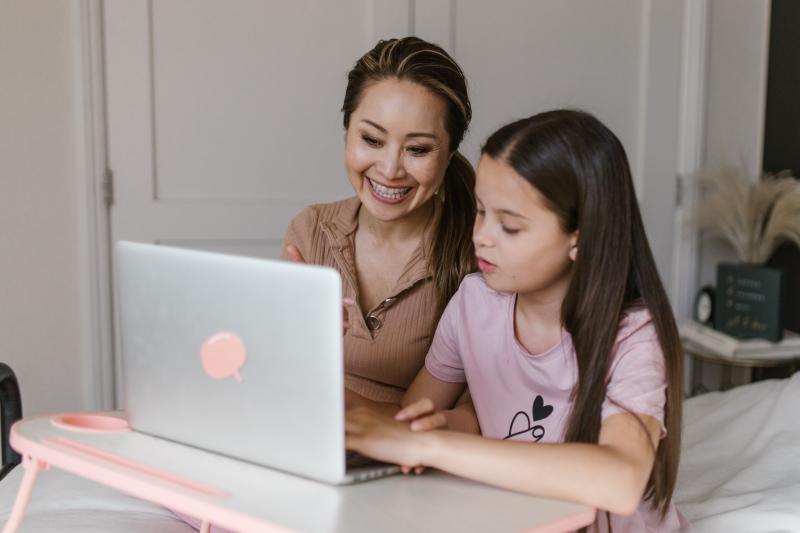
Children's Media Perception (Photo by Ketut Subiyanto on Pexels)
Children are growing up in an environment saturated with various types of media:
- Print media - books, newspapers, magazines
- Electronic media - TV, radio
- New media (online visual electronic media) – videos, electronic games, social media, and the internet in general; using different platforms such as mobile phones, tablets, or laptops.
It's not surprising that excessive media exposure affects children's physical and mental health, well-being, learning, and development. Especially online media which has an intense impact on children's senses as they are more interactive and accessible these days. Over eight in ten preschoolers (aged 3-4) were online in 2020 (82%) in the UK – using tablets (67%), smartphones (35%), and laptops (30%). The younger children are, the more sensitive they are to media messages, and they can be more easily overwhelmed. Excessive media use can contribute to several negative health outcomes, such as sleep reduction, obesity or language, and social-emotional delays.

Learn More
Read the transcript or watch the video: Different Types of Media and focus on the pros and cons and what kind of media is suitable for children in this age group. Explore the website www.commonsensemedia.org where you can find reviews of books, movies, TV shows, video games, apps, music, and websites suitable for children.
Read a short study on How Children Perceive Mass Media (p. 1-3) and formulate how children under the age of 6 process information from mass communication.
Read the article Media use in childhood: Evidence-based recommendations for caregivers and formulate recommendations for age-appropriate media experiences
Watch the video Kids and Tech: The New Landscape and name areas in which technology can support a child's growth. Watch the video on how media use affects brain development: Screens May Affect Your Child's Brain Development and watch the video on screen time control: Why Screen Time For Kids Needs To Be Controlled.
If you want to get more precise data on this issue, you can read the WHO report Guidelines on Physical Activity, Sedentary Behaviour and Sleep - For Children under 5 Years of Age. Focus mainly on sedentary and screen time recommendations on the introductory pages viii-ix.
There are several legislative documents that focus on the protection of children consuming media. They primarily deal with broadcasted media, and audiovisual media services. The role of legislation is to define inappropriate and harmful content and to determine how children and youth should be protected from encountering this type of content. Look out for some national resources and control measures for media content and present them to parents.
Exercise
Based on the material recommended in this course prepare the following:
- Make a list of pros and cons of children's media use by children at this age
- Define criteria for suitable media for children at this age
- Go to the website www.commonsensemedia.org and give a specific example of suitable media for children in this age group in each category (try and choose especially media that are also available in your native language)
What you learn in this course
- Name different types of media and correctly assign media to media types.
- Describe children's perception of media in this age group and correctly assign this perception to media types.
- Explain criteria of overstraining media experiences and classify media experiences accordingly.
- Formulate recommendations for age-appropriate media experiences at parents' evenings. They can independently select support services according to the media experiences described by the parents.
- Name criteria for media suitable for children of this age group and classify media accordingly.
- Name national control instruments for suitable media content.
Get ready: Tips for MediaParent consultants
Children perceive different types of media in different ways. There are many programs and apps on the market that target children, but not all of them are suitable for children. Parents should be able to recognize which media are age-appropriate for their kids, a simple "check-list" can help:
- doing some research about the media
- rating of the media
- clarity of content for children
- age-appropriate language
- values, moral, or significance of the media
Parents should be able to recognize which type of media is appropriate for their child and name the criteria for its use.
Find nationally specific sources focused on the legislation regarding media content appropriate for children and tell parents how they can find out more about the topic. There might be different legislative documents regarding broadcasted and online media. Perhaps there will also be differences between state-owned media and private ones. For example in the Czech republic parents can read about this topic on the website www.deti-a-media.cz in the section “Ochrana dětí zákonem” (en. Law Protection of Children).
English
Svenska
Slovenčina
Deutsch
Čeština
Български